


What’s the big deal with sulfate-free formulations?
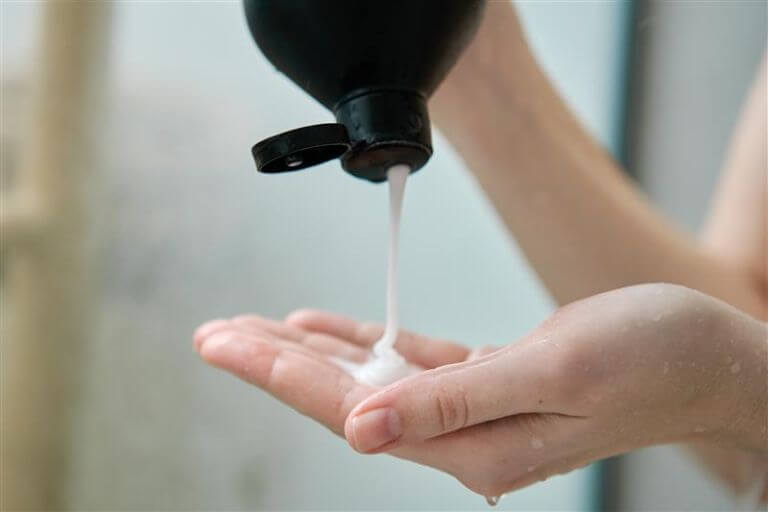
If you’ve been scanning shampoo claims lately, you’ve probably noticed a shift: more and more shampoo products are labeled “sulfate-free”.
Mintel’s GNPD data shows that since 2020, the number of new shampoo product launches featuring sulfate-free claims has grown at an average annual rate of 4.8%.
But what’s the big deal?
Sulfates like Sodium Laureth Sulfate (SLES) and Sodium Lauryl Sulfate (SLS) have long been the go-to surfactants in rinse-off products. They’re accessible, foam beautifully, and deliver a deep clean. But some sulfates may potentially cause irritation and raise environmental concerns. With regulatory bodies like COSMOS planning to end sulfated surfactants acceptance by the end of 2028, the industry is under pressure to find alternatives.
The Formulation Struggle is Real
Going sulfate-free isn’t just a label swap. It means rethinking how to:
How can AURIST™ AGC Support Sulfate-Free Formulation Success
Formulators looking to overcome challenges associated with sulfate-free formulations can turn to multifunctional conditioning biopolymer AURIST™ AGC.

AURIST™ AGC has been shown not to negatively impact the texture of the formulation, allowing formulators to enhance conditioning without altering texture.
Sensory Boost: AURIST™ AGC has been shown through sensory evaluation to significantly improves rinsability in wash-off formulations. In formats like body wash and shampoos, AURIST™ AGC can also improve foam appearance and texture, making it creamier and more luxurious.
Reduced skin roughness feel: AURIST™ AGC contributes to a smoother, more conditioned skin feel after rinse-off, helping replicate the silky finish consumers expect from sulfate-based products.
