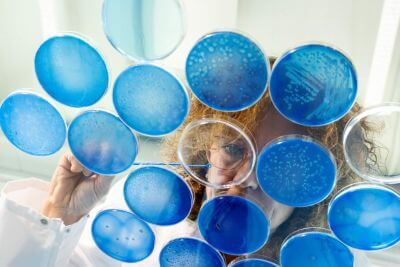



How the Gut Microbiomes You’re Born with Affect Your Lifelong Health

It’s common to think of microbes as something to avoid—especially for newborns. Yet microbiome researcher Henna Maria Uusitupa invites us to reconsider this perspective. In her TED Talk, “How the gut microbes you’re born with affect your lifelong health,” she explores how the earliest microbial exposures may influence health trajectories well into adulthood.
A Complex and Essential Beginning
Uusitupa challenges the assumption that microbes are inherently harmful. Instead, she explains that they play a critical role in programming our bodies for long-term health. What matters most is not simply the presence of microbes, but having the right communities in place. Fine-tuned through evolution, these microbial ecosystems begin colonizing the body at birth.
Birth itself shapes this process. Babies born vaginally are exposed to a wider variety of maternal microbes, while those born via C-section primarily encounter skin microbes. This variation can influence what Uusitupa calls the “colonization march,” or the sequential development of the infant gut microbiota.
How Early Life Influences the Microbiome
The story doesn’t end at birth. A range of early life factors from medications and hygiene practices to nutrition and even household pets—affect how the infant microbiome develops. Surprisingly, Uusitupa notes that an environment that is “too clean” may not always support optimal microbial diversity. These early exposures may help shape long-term health outcomes.
Microbes and Health Over Time
Research highlighted by Uusitupa shows connections between gut microbiota composition and conditions such as obesity and diabetes. Certain microbes appear absent in individuals who later develop these diseases and those same microbes are often lacking in babies born by C-section or exposed to frequent antibiotics.
The good news: the gut microbiota is adaptable. Missing microbes can often be reacquired, and with proper support, balance can be restored.
Microbial Nutrition and Emerging Solutions
One area of growing interest is human milk oligosaccharides (HMOs). These complex sugars found in breast milk are indigestible to infants, but they selectively nourish beneficial gut microbes. Uusitupa goes on to discuss how some HMOs can be produced synthetically and paired with probiotics to support microbial development in infants who do not receive them through breastfeeding.
Uusitupa also envisions a future where infant gut health is routinely monitored, and personalized nutritional support becomes available to ensure all children, regardless of birth method or early environment, have the opportunity to build a strong foundation for lifelong health.
Watch the Full Talk
Explore Henna Maria Uusitupa’s insights in her TED Talk: