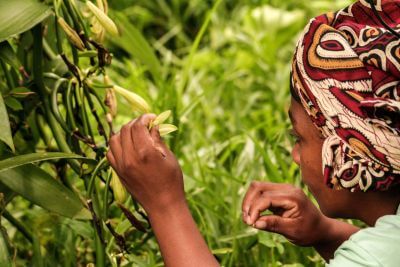



- Behind every bottle of perfume lies a journey that blends art, science, and emotion.
- Thanks to advances in organic chemistry, perfumers now had access to chemically produced molecules replicating natural ones and inventing new molecules that didn’t exist in nature.
- Today’s fragrances are composed using both age-old botanical extracts and innovative lab-made molecules, carefully selected for beauty, safety and performance.
- With the advent of synthetic fragrance molecules, perfumers gained an expanded vocabulary.
- IFF is a pioneer in this space, crafting biodegradable molecules using principles of green chemistry.
- By the time a perfume reaches your skin, it has already passed through memory, mood and meaning. Perfumers don’t just build formulas, they build feelings.
- The future of fragrance is being shaped by a powerful blend of sustainability, biotechnology and digital creativity.
How is perfume made? Behind every bottle lies a journey that blends art, science, and emotion. From the spark of inspiration to the precise layering of natural extracts and fragrance molecules, perfume is crafted through a process of sourcing, formulation, testing and refinement.
Perfumers — part artist, part chemist — design scents that evoke memory and mood, while advances in neurosciences, green chemistry and sustainable innovation are reshaping how fragrance is built.
Whether inspired by a jasmine field or a mysterious lab invention, each perfume tells a story — and it all begins with a single idea.

A Fragrant Timeline – The Rich Origins of Perfume Making
The history of perfume stretches back to the dawn of civilization, marked by ceremony, science, and sensuality. Understanding where fragrance comes from gives us deeper appreciation for where it’s going.
Millennia ago, perfume was not a luxury. It was sacred. Myrrh and frankincense were burned in Mesopotamian rituals, Egyptian embalming rites and early healing concoctions.
In these societies, fragrance played sacred and practical roles and oils were worn as daily protection.
Grasse and the Birth of French Perfumery
By the 17th century, the hillside town of Grasse in Provence, South of France, became the epicenter of modern fragrance. What began as a way to scent leather gloves grew into a full-blown floral industry. Jasmine, rose and tuberose thrived in the region’s gentle climate, shaping the legendary French perfume tradition.
Today, IFF’s Grasse-based Atelier du Parfumeur is a space for creation and inspiration where perfumes are entirely handmade by operators trained for years in the traditions of haute-perfumery.
IFF’s LMR Naturals, headquartered in Grasse, as well as Le Domaine des Naturels LMR, our new experimental field, blend heritage with sustainable practices. The Mimosa Trail offers a sensory look at this iconic landscape and its botanical legacy.
The Molecular Era – Chemistry Transforms Scent
Towards the end of the 1800s, perfume entered a new age. Thanks to advances in organic chemistry, perfumers now had access to chemically produced molecules replicating natural ones and inventing new molecules that didn’t exist in nature.
Suddenly Lily of the Valley, which cannot be extracted naturally, could bloom in a lab, and aldehydes brought sparkle and lift to floral bouquets.
This marked the beginning of modern perfumery, where fragrance molecules not only extended olfactory range but introduced a new level of consistency, safety and sustainability.
As perfume’s past reveals its evolution, the ingredients give scent its soul today.
From Nature to Lab – What Ingredients Are Used in Perfume?
Every bottle of perfume is a delicate blend of nature and science.
Today’s fragrances are composed using both age-old botanical extracts and innovative lab-made molecules, carefully selected for beauty, safety and performance.
In this section, we explore the main perfume ingredients and how they shape what we smell – and feel.
Natural Ingredients – Essential Oils, Resins, and Botanical Extracts
Perfumery has long been rooted in the natural world. Essential oils, resins, woods and floral absolutes have been extracted from plants and trees for centuries.
These raw materials form the heart of many traditional perfume types, offering complex and evocative profiles. Favorites like orange flower, sandalwood and patchouli are classic components still beloved today. At IFF, we like to say that every bottle of perfume contains the world, with ingredients sourced from all continents.
Every ingredient has a story, from flower to formula.
Synthetic Molecules – A New Age for Perfume Ingredients
With the advent of synthetic fragrance molecules, perfumers gained an expanded vocabulary. Molecules like Iso E Super, AmberXtreme and Cashmeran introduced new textures and moods not found in nature.
IFF is a pioneer in this space, crafting biodegradable molecules using principles of green chemistry. In innovations like Veraspice™, the technology provides a rich olfactory experience while minimizing the environmental footprint.
Harvesting Aroma – The Art and Science of Fragrance Ingredients Extraction
Before natural fragrance ingredients can be bottled, they must be extracted. Extracting ingredients from natural materials is a balance of craft and science, preserving the essence of petals, peels and plants. From steam distillation to CO₂ extraction, these essential oil extraction methods transform raw materials into the foundation of perfumery.
Steam Distillation – Extracting Essential Oils Through Heat and Pressure
Steam distillation is one of perfumery’s oldest techniques. Hot steam passes through plant material to release aromatic compounds, which are then separated from the carrying water and condensed into essential oils and floral waters.
Ideal for resilient botanicals like many florals, leaves and woods, this method remains part of IFF’s essential oil production, preserving purity and plant integrity.
Cold Pressing – Expression for Citrus and Delicate Botanicals
Used primarily for citrus oils, cold pressing (also known as expression) involves mechanically pressing fruit peels to extract their oils without the use of heat.
Cold pressing preserves the sparkling top notes of bergamot, grapefruit and orange, capturing their natural brightness in a way that LMR elevates through traceable sourcing and high-impact citrus extractions.
Solvent Extraction & Enfleurage – Capturing Fragile Florals with Finesse
Some flowers, like jasmine and tuberose, can be extracted only through solvent extraction, as steam distillation is not efficient on them. Solvent extraction uses a solvent, often hexane, to extract the aromatic compounds from the plant, producing a waxy “concrete” (rich with natural waxes contained in the plant) that’s later refined into an absolute using alcohol to filter out the waxes.
Enfleurage, once used to absorb scent in fat and petals, is now revived with an LMR patented technology, “Enfleurage 2.0,” with biodegradable solvents replacing hexane for a sustainable update on the classic method.
CO₂ Extraction – Eco-Friendly, High-Tech Aroma Capture
Supercritical CO₂ extraction uses pressurized carbon dioxide to gently pull scent molecules without chemical residues, producing true-to-nature aromas. IFF applies this clean, sustainable method across specific LMR and next-gen ingredient development (like vanilla, pink pepper, tonka bean and more) to support eco-conscious formulations.
The Perfume Manufacturing Process – from Brief to Bottle
Creating a fragrance is a journey that combines brand vision, chemistry and sensory design. From brief to bottle, each stage shapes how a scent performs and connects with the wearer.
1. The Perfume Brief – Inspiration and Concept Development in Perfumery
Every fragrance begins with a brief. Whether it comes from a global beauty brand or a niche house, the brief defines the target audience, emotional intent and olfactive direction.
IFF teams collaborate with clients to translate brand goals into creative frameworks. The scent design manager leads this phase, working with perfumers as an olfactive art director to support creation.
Once the story is clear, the perfumers start creating in an iterative process that lasts anywhere from months to years.
2. Blending and Formulation
This is where imagination becomes formula. Perfumers draw from a palette of over 1,000 natural extracts and aroma molecules, composing each trial with a blend of expertise, artistic inspiration and dialogue with internal experts and customers. Dozens, sometimes hundreds, even thousands of versions may be created before one feels complete.
In IFF’s fragrance labs, each fragrance formula is carefully compounded by perfumery assistants and smelled by the perfumer and creative team while blind tests keep the creative vision sharp.
3. Maceration in Perfume Making
Once blended, the perfume ingredients rest. This period, called maceration, allows the components to merge and mature.
Maceration ensures ingredients have settled when the perfume bottle reaches the consumer. Depending on the formula, this process can take weeks to months, allowing molecules to stabilize and harmonize.
4. Perfume Testing and Refinement
A beautiful scent is just the beginning. Before reaching the consumer, every perfume is tested for stability, safety and consistency.
Blotters and skin, warm and cool light, day and night all help reveal how the fragrance performs in real-world conditions.
These tests measure longevity, evolution and how the scent reacts to skin, knowing it will smell slightly different on everyone.
5. The Fragrance Structure
Perfumes are structured like a music partition, with top notes (bright and fleeting), heart notes (rich and expressive) and base notes (deep and long-lasting). Just as melody builds through harmony, this scent structure, often visualized as a fragrance pyramid, reveals how each note rises, blends, and settles to create a complete olfactive journey on the skin.
- Top Notes give the initial impact and are fresh, fleeting and often citrus or green.
- Heart Notes add richness and define character. These notes balance freshness with depth and typically last for several hours.
- Base Notes anchor the scent with depth and longevity. Typical perfume base notes include vanilla, sandalwood, amber, vetiver and musk. They’re what stays on your scarf or sweater at the end of the day.
6. Regulatory and Market Readiness
Fragrances must meet strict international safety standards. Every formula is tested for allergens, light stability and regulatory compliance.
These safety checks protect consumers and build trust, ensuring perfumes meet global requirements before market launch.
The Visionary Role of the Perfumer
At the heart of every fragrance is a creative mind: the perfumer or “the nose” (though many don’t like to be called that, as their nose is the organ they SMELL with, not create with). These experts are true artists, crafting scents that tell stories and stay with us. Understanding their role reveals the balance of instinct and precision behind every perfume creation.
Perfumers interpret abstract ideas like joy or resilience or celebration of womanhood using structured blends of natural and synthetic ingredients. Their process is akin to painting or sculpting: as much about emotion as it is about the chemistry of the ingredients they choose.
Our perfumers collaborate with sensory teams and brand partners, often combining neuroscience, sustainability and cultural insight to shape each creation. This blend of innovation and artistry defines the modern perfumer’s craft.
The Emotion Behind Every Fragrance
By the time a perfume reaches your skin, it has already passed through memory, mood and meaning. Perfumers don’t just build formulas; they build feelings.
How Smell Triggers Memory
Unlike other senses, scent travels straight to the brain’s limbic system where memory and emotion reside. That’s why a trace of vanilla can conjure comfort, or a sharp citrus note can wake you like sunlight. These instinctive reactions and olfactory memories are what perfumers harness in their creative briefs.
From start to finish, every perfume tells a story. It may recall a place, a season or a state of mind. The perfumer’s challenge is to capture this narrative in the ingredients they assemble.
Initiatives like IFF’s Science of Wellness reveal how science helps perfumers map feelings into scent design.
Scent as a Storytelling Tool
Across centuries and cultures, perfume rituals have marked celebration, intimacy and identity. Today, we still choose scents that align with how we want to feel or be remembered.
This emotional layer is what elevates fragrance beyond function into art. IFF’s Scents of Nostalgia project explores how scent memory and storytelling intertwine, creating a shared language that transcends borders.
As we look to perfume’s future, it’s this emotional resonance that ensures scent will always remain a deeply human craft.
The Future of Fragrance – Sustainability and Innovation in Perfume Making
As the world changes, so does our relationship with scent. The future of fragrance is being shaped by a powerful blend of sustainability, biotechnology and digital creativity.
These innovations are redefining what making perfume can be: not just a luxury, but a responsible, forward-thinking expression of identity.
Green Chemistry – Creating Cleaner, Smarter Scents
Green chemistry is changing the way perfume is made. Instead of relying on fossil fuels or fragile natural resources, chemists now design fragrance molecules that break down safely and perform beautifully.
At IFF, this shift has led to new ingredients and a cleaner perfume making process that reduces waste, replaces harsh solvents and supports a more circular approach to scent creation.
Scent with Purpose – Upcycled and Circular Perfume Ingredients
Modern perfumes go beyond scent, using upcycled ingredients like citrus peels and wood shavings to turn waste into fragrance.
IFF’s LMR Naturals Upcycled Collection shows how sustainability and creativity can coexist, giving perfumers new textures and stories without additional extraction.
AI Meets Olfaction – Digital Innovation in Perfume Creation
Artificial intelligence is reshaping perfumery by predicting scent preferences based on millions of IFF proprietary data points, uncovering novel ingredient pairings and streamlining the path from concept to formula.
IFF’s digital scent design tools empower perfumers to experiment boldly while also ensuring consistency, performance, and personalization.
“Our evolving technologies are empowering our perfumers and partners to more effectively meet diverse customer demands and expectations in fragrance, personal care and home care.” Valery Claude, Senior Vice President, Digital, Scent.
Final Thoughts
As fragrance becomes more personalized, transparent and sustainable, the next evolution will not be defined by a single trend, but by how it makes us feel. In asking how perfume is made, we uncover why scent is our most intimate form of storytelling. We also understand why the future of perfumery is only just the beginning of our own bespoke signatures.