




Cost & Margin Pressures:
Volatile input costs (raw materials, energy, labor) are squeezing margins and reducing tolerance for error.
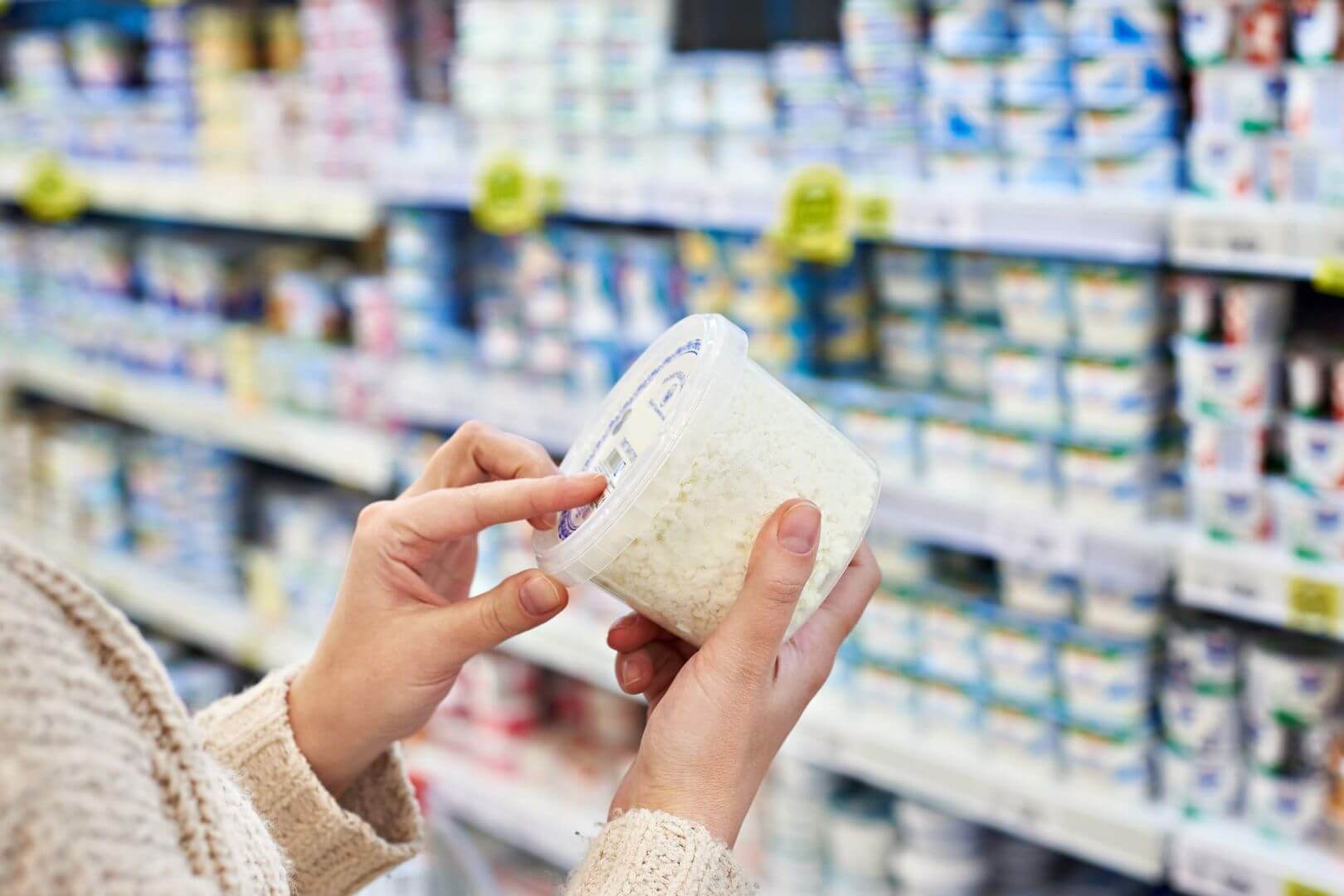
Food manufacturers are under increasing pressure to extract more value from every formulation while navigating cost volatility, supply uncertainty and operational complexity, without compromising quality or consumer trust.
Volatile input costs (raw materials, energy, labor) are squeezing margins and reducing tolerance for error.

Ingredient availability and variability – combined with fragile processes – raise operational risk, waste, and rework.

Taste, texture, safety, shelf-life, and sustainability must still be maintained to protect brand equity.
Navigating inflation, global volatility and rising cost pressures, we help manufacturers reformulate with confidence, protecting quality, reducing waste and delivering what consumers expect.


“Volatility is part of today’s reality for brands, but consumers still expect great quality and taste. Change has to feel like progress, not compromise. That’s where strong applications expertise matters, focusing on what means most to consumers while finding smarter ways to manage cost.”
We help food manufacturers reduce reliance on high-cost, volatile ingredients without sacrificing quality, taste or texture. Through smarter solutions, we bring greater flexibility and cost control to every formulation.
We help extend shelf life by improving stability and protecting quality—supporting freshness, structural integrity, and microbial stability while reducing waste for more efficient distribution.
We improve production efficiency by reducing bottlenecks, optimizing resources, and increasing consistency—cutting costs and disruptions.
See real-world examples that help manufacturers reduce cost pressure, manage volatility and protect product quality, backed by knowledge, deep application expertise and proven solutions across multiple categories.
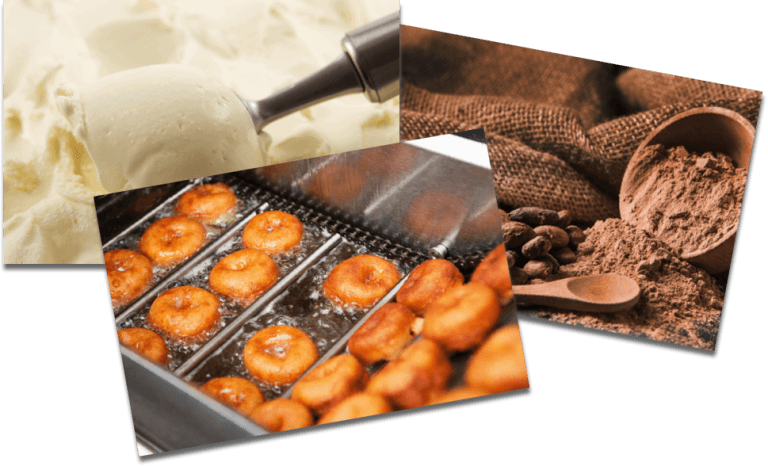
Bring your vision to life with IFF’s expertise in food and beverage innovation. Together, we can turn bold ideas into groundbreaking solutions.
Value optimization is the process of balancing cost, product performance, and sustainability in food manufacturing. It helps companies improve margins while maintaining quality, consistency, and consumer expectations.
Manufacturers are facing increased pressure from raw material costs, supply chain disruptions, and sustainability requirements. Value optimization enables them to improve food production efficiency while staying competitive and protecting profitability.
It improves efficiency by optimizing formulations, reducing waste, and streamlining production processes. This leads to better resource utilization, lower costs, and more consistent output across operations.
The key drivers are cost pressure, supply chain volatility, regulatory demands, and the need for more sustainable operations within the food industry.
Value optimization is typically achieved through three areas: formulation optimization, shelf-life extension, and productivity improvement. Each lever targets a different part of the value chain to unlock efficiency and cost savings.
Formulation optimization focuses on adjusting or replacing ingredients to lower costs while maintaining taste, texture, and functionality. It can also reduce dependency on volatile raw materials.
Extending shelf life reduces product waste, improves inventory flexibility, and enables wider distribution. This plays a critical role in making the food supply chain more efficient and resilient.
Productivity optimization improves throughput, reduces downtime, and increases yield. This enhances food processing efficiency while lowering energy and resource consumption.
Yes. By reducing waste, improving resource efficiency, and enabling smarter ingredient use, value optimization aligns with circular economy principles in the food industry.
Any food or beverage manufacturer can benefit, especially those dealing with cost pressures, reformulation needs, or scaling production while maintaining quality.
The first step is identifying inefficiencies across formulation, shelf life, and production. Working with ingredient and solution partners can help uncover opportunities and accelerate implementation.