



Extend Freshness to Maximize Product Value
Freshness isn’t just about adding days to shelf-life. It’s about keeping quality where it matters, reaching further markets and getting more value from every batch produced.
By slowing spoilage and protecting product integrity, manufacturers can extend distribution windows, reduce waste-related losses and safeguard brand reputation.
- Shelf life extended from 7 to >15 days in meat applications
- Up to +58 days shelf life in yogurt
- Up to +100 days shelf life in cream cheese
- Up to +10–15 weeks shelf life across cheese and dairy applications
- 85% reduction in product returns through shelf-life optimization
Shelf-life Optimization
Shelf-life Challenge: Culinary
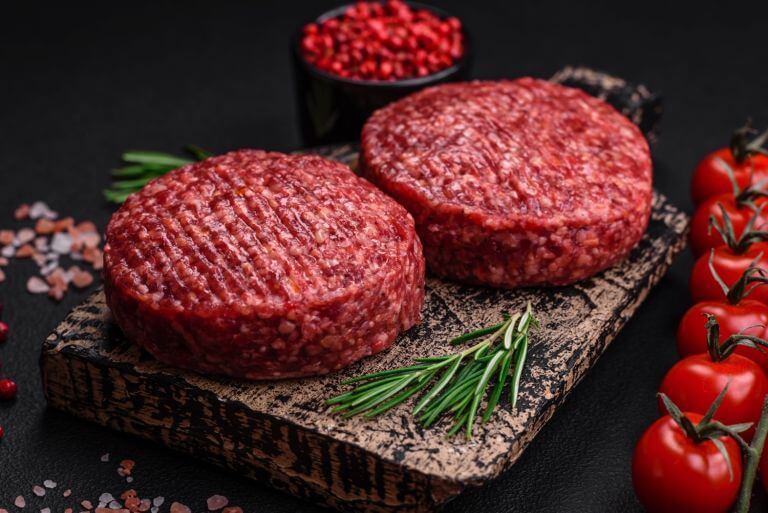
Meat quality declines over shelf-life due to visible color and flavor changes, driving returns, waste and write-offs that pressure margins.
Adopting the right shelf-life approach keeps meat fresher for longer, protecting color, flavor and overall product quality while opening up longer selling windows.
The payoff is more dependable shelf-life performance and stronger margin resilience across fresh meat portfolios and culinary applications.


Meet Our Value Optimization Experts

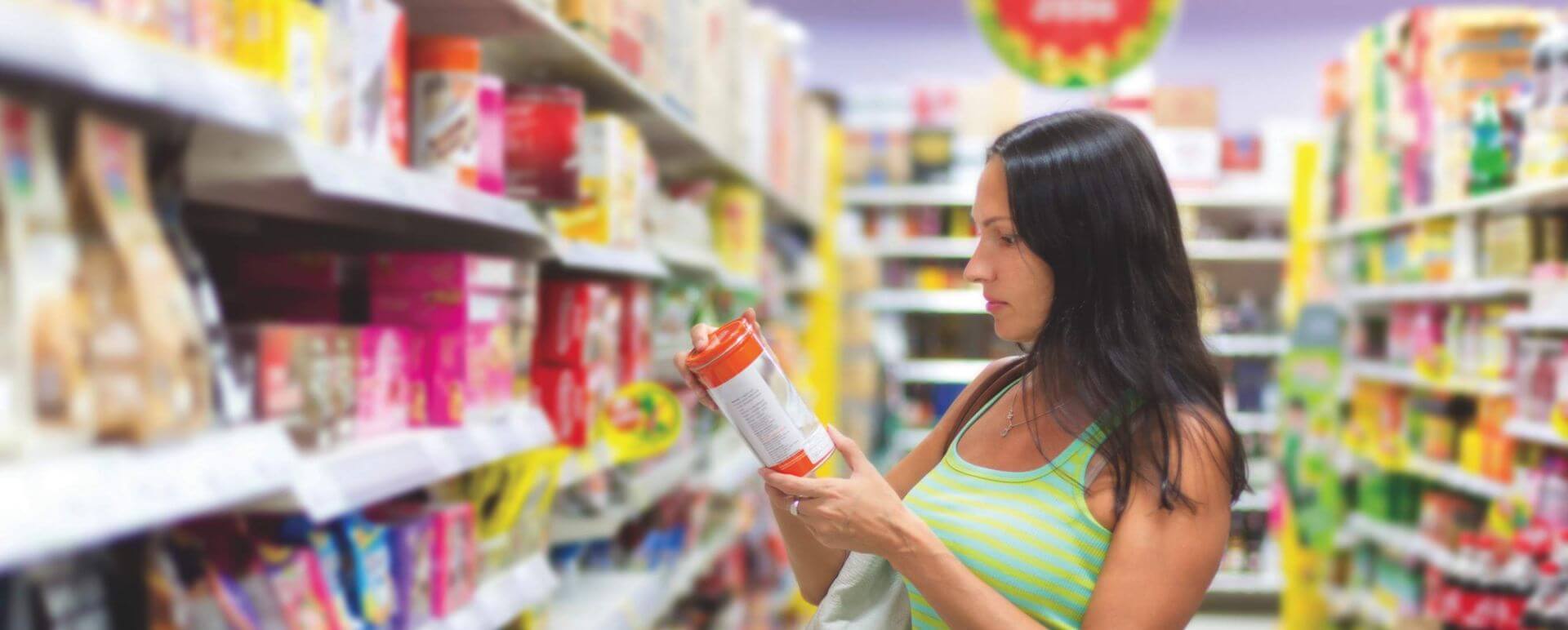
“Our proprietary study shows that 72% of consumers read labels when buying, with the “Best By” date getting the most attention. Shelf-life isn’t just information anymore, it’s a powerful signal of trust and confidence on product packaging that directly impacts consumers’ buying decisions.”

Partnering with IFF for Shelf-life Optimization
Bring your vision to life with IFF’s expertise in food and beverage innovation. Together, we can turn bold ideas into groundbreaking solutions.
Frequently Asked Questions
Shelf-life optimization is the process of extending how long a food product maintains its safety, quality, and sensory attributes. It involves using modern food preservation methods to control spoilage, maintain freshness, and protect product value throughout distribution and storage.
Shelf-life management directly impacts product quality, waste levels, and profitability. Longer shelf life allows for broader distribution, fewer returns, and improved inventory efficiency, making it a critical component of value optimization.
By slowing spoilage and maintaining product stability, shelf-life optimization reduces the likelihood of products expiring before consumption. This leads to fewer write-offs, supports food waste reduction solutions, and improves overall supply chain efficiency.
Food spoilage is primarily caused by microbial growth, oxidation, moisture loss or gain, and environmental exposure. Effective shelf-life strategies target these factors to prevent degradation over time.
Modern food preservation methods include fermentation-based solutions, natural antimicrobials, antioxidant systems, and advanced stabilizers. These approaches help extend freshness while maintaining clean label expectations.
Clean label preservatives use naturally derived ingredients to inhibit microbial growth and oxidation. They allow manufacturers to extend shelf life while meeting consumer demand for recognizable and minimally processed ingredients.
Longer shelf life improves distribution flexibility, enables access to wider markets, and reduces urgency in logistics. This strengthens food supply chain optimization by allowing better inventory planning and reduced product loss.
Shelf-life optimization is critical across categories such as meat, dairy, beverages, and bakery. Each category requires tailored solutions to maintain freshness, stability, and product performance over time.
Yes. Extending shelf life reduces food waste, lowers resource consumption, and supports circular economy initiatives in the food industry by maximizing the usable life of products.
IFF combines ingredient science with application expertise to deliver tailored food preservation solutions. These include antimicrobial systems, antioxidants, and multifunctional ingredient platforms designed to extend shelf life without compromising quality.
Manufacturers should begin by identifying key spoilage risks in their products, then evaluate preservation strategies across formulation and processing. Partnering with experts can accelerate testing, validation, and implementation of effective solutions.