




But periods of big change also bring opportunities for growth. Laundry detergent brands and other fabric care leaders can seize this moment to reimagine their approaches, develop innovative solutions and build deeper connections with their customers.
While navigating this shifting landscape, it’s important to understand the nuances in consumer behavior and the often opposing trends that can influence their purchasing decisions. For instance, during a recession, a consumer may easily make the switch to private-label bleach and fabric softener but remain loyal to their premium brand for detergent.
“Recognizing both the trend and the countertrend — and the tension that creates — is crucial,” says Bernardo Fleming, leader of Panoptic, IFF’s proprietary trend and foresight capability. “What are the drivers of those tensions and what does it mean? If you can understand these complex behaviors, then brands can fine-tune their targeting and product offerings to best meet customers’ needs.”
Read on for the first installment of our two-part series as we delve into the key trends shaping the laundry care sector today and in the future.

01
New Trust Equation
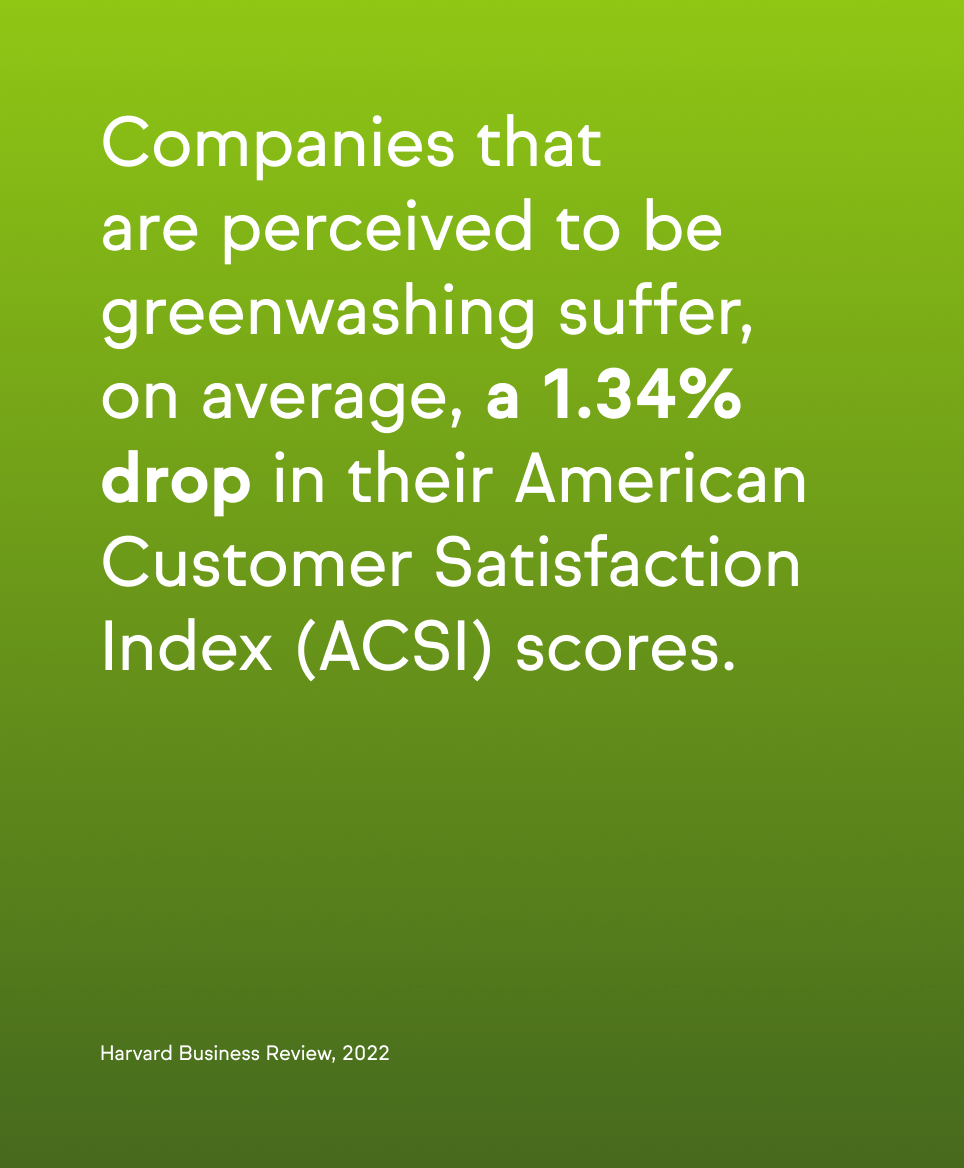
With the EU’s new Green Claims Directive and the U.S. Federal Trade Commission poised to release its revised “Green Guide,” companies are under heightened scrutiny for their environmental claims.
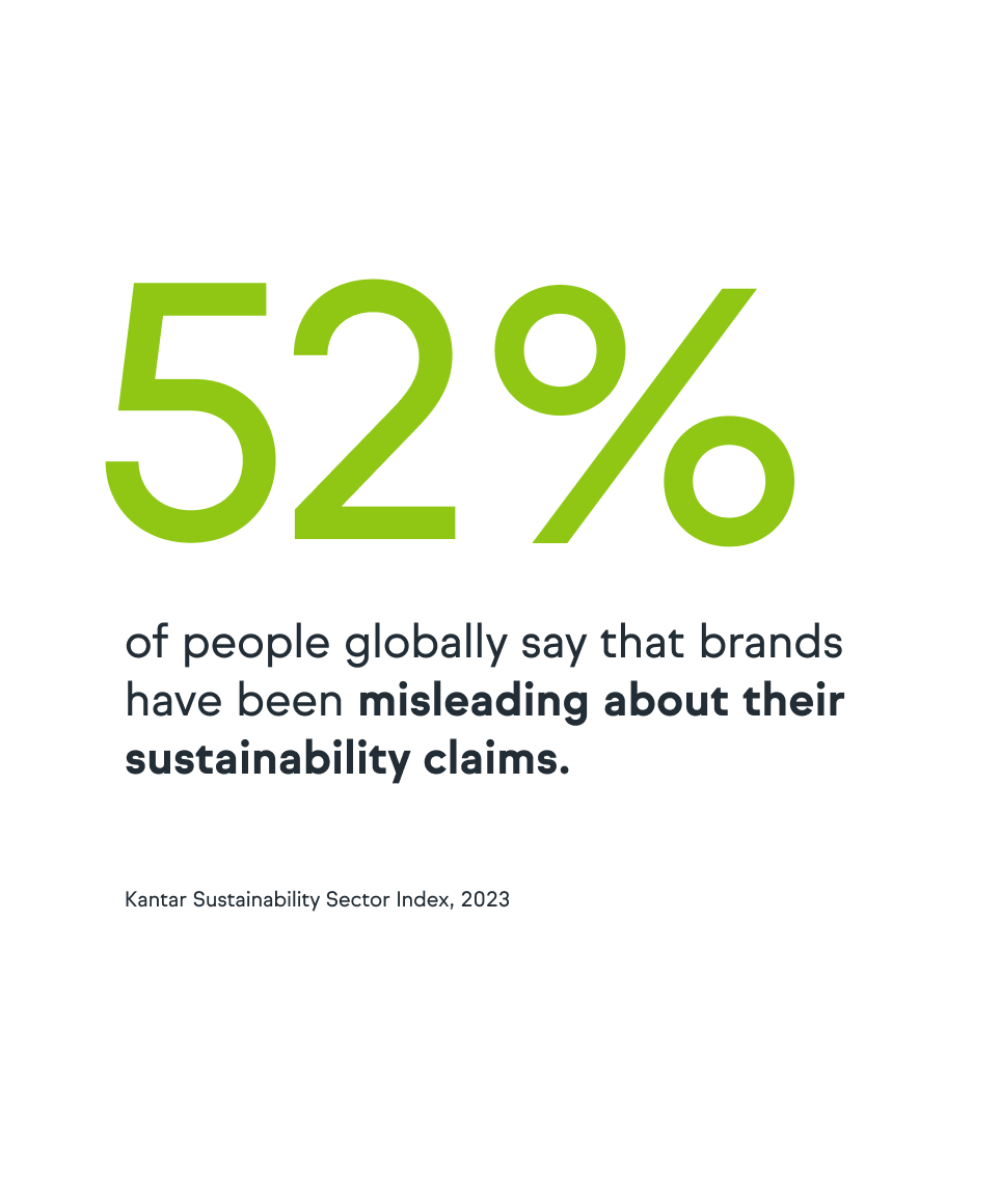
In some high-profile cases, brands are being investigated for using “broad and vague” language about the environmental impact of their products and for exaggerating how natural their ingredients are. At the same time, consumers today are more skeptical of any eco-claims made by brands and demand more transparency regarding supply chains, production practices and environmental impact.
The Laundry Lens
At a time when brand credibility is everything, it’s critical that companies back up environmental claims with real substance: tangible details about practices, certifications and progress toward environmental commitments. It’s also a prime opportunity for detergent manufacturers to showcase the benefits of the “hero” ingredients in their formulas, such as enzymes. And as consumers become savvier, companies can engage and educate the public on the safety, security and environmental benefits of these innovative ingredients and combat misinformation.
Industry practice: The American Cleaning Institute offers an online directory where consumers can search by brand name or company to learn more about the specific ingredients in their home care products.
“Today’s laundry brands can’t just talk a big game
they’ve got to consistently show up with actions that match, ensuring their communications and the proof of their environmental and social strides are clear and fact-based,”
says Alexandra Schuler,
Sustainability and Certifications Manager at IFF.

Greenwashing
By the numbers


02
Sustainable Choices
Driven by the escalating climate crisis, people have a growing awareness and preference for products that help them live more sustainably and limit their carbon footprints, which is the total greenhouse gas emissions generated by a product throughout its life cycle.
And as the related issue of water scarcity becomes a growing global concern, consumers will need to adjust their daily routines and household chores to reduce the amount of water they use.
The Laundry Lens
| Despite the growing awareness of environmental issues, there is a disconnect between consumers’ intentions and their actions. For example, in Germany, where we recently conducted consumer habits research, we found that most people are still using moderate to high temperatures (40°C+) to do their laundry.[1] And the same study found that the main reason Germans don’t use colder laundry cycles is due to the perception that they won’t clean effectively.
Manufacturers can help bridge this behavior gap by educating consumers on the advantages of cold-water washing and using shorter cycles.[2] This will be critical to advancing sustainability targets as the bulk of energy and water use in the detergent product life cycle happens at the final stage, when consumers actually do their laundry. |
Along with this, manufacturers should continue to push for innovations in their product offerings with ingredients such as enzymes that improve cold-water efficiency without compromising on performance and that enable more-concentrated detergents to reduce packaging sizes.And as companies innovate, it’s important to offer multiple sustainable choices to best fit the specific needs, lifestyles and consumer attitudes toward eco-attributes, which can vary greatly by consumer and market. In the U.S. and Europe, cold-water washing is slowly gaining uptake, but in China and Latin America, where ambient washing is the norm, it’s less relevant. Instead, these markets need sustainable options such as higher-concentrated detergents and products that help save water and rely less on traditional chemicals.
[1] IFF Laundry Habits Research: Germany/2022[2] www.wri.org/insights/corporate-downstream-targets-consumer-water-use |
When it comes to sustainability, we have to meet the consumer where they are.
Depending on the region that you’re targeting, detergent manufacturers need to offer different avenues to enable them to change their behavior to be more sustainable,”
says Annemarieke van Heeswijk, Strategic Marketing and Communications Lead at IFF.

Temperature
By the numbers


03
Multifaceted Value
Record-breaking inflation around the globe has forced consumers to be more budget conscious and less brand loyal, with many making the shift to low-cost private-label brands. And ongoing inflation will continue to widen the gap in “the hourglass economy,” in which there are growing numbers of consumers at the high or low ends of the income spectrum and the middle class shrinks.
Laundry Lens
To succeed in these tough economic times, laundry care brands need to diversify their product portfolio offerings to cater to a range of budgets. For some high-income consumers, laundry care products can be considered an “affordable indulgence,” and they may seek out super-premium offerings. Other consumers looking for ways to cut household costs may be compelled, for the first time, to trade down to a private-label brand and find themselves satisfied enough to stick with it.
Private-label brands need to invest in innovations to retain these new consumers in the long term.
This dynamic market landscape means that brands need to continue to deliver meaningful innovations that truly deliver value in the core areas of convenience, sustainability and price.
Private Label
By the numbers