


AMYLEX®
AMYLEX® for efficient starch liquefaction securing brewhouse yield.
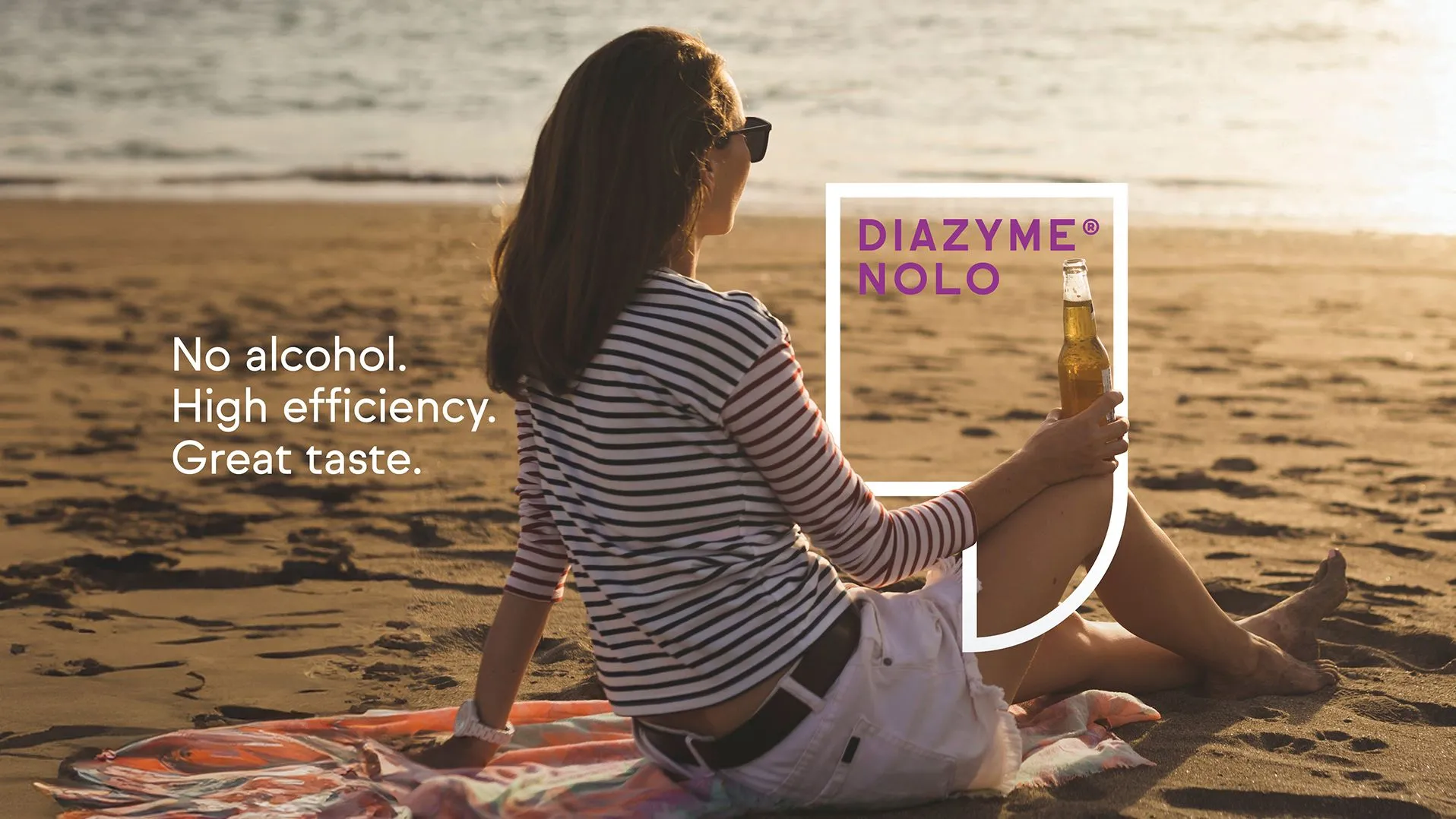
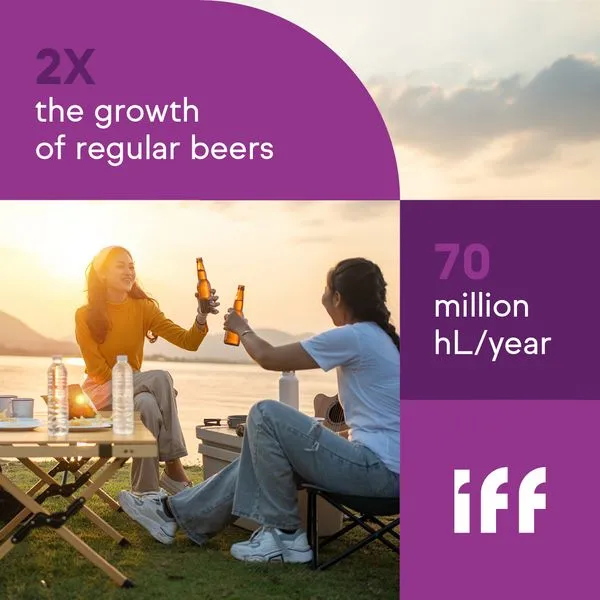
No- and Low- alcohol beers (NOLO) is the fast growing beer category and is forecasted to continue on this trajectory.
As health-conscious consumers reassess their alcohol consumption and adapt it to fit into a healthier lifestyle, the popularity of NOLO beers will continue to rise. The non or low alcohol content of NOLO beers allows consumers to enjoy beer on various occasions, expanding the category’s reach to include working lunches, brunches, and week-night gatherings.
NOLO products, such as beer, are beverages that typically contain ethanol but are produced with ethanol completely removed or significantly reduced.
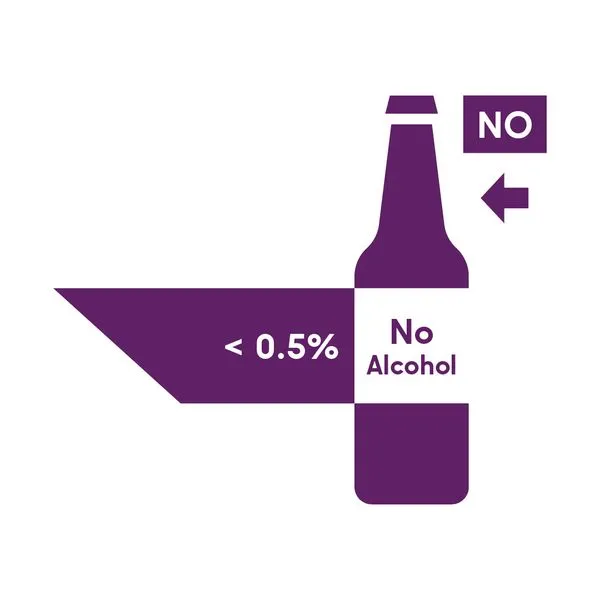
The terminology for NOLO varies, with common terms including “no”,” “free,” “zero,” “low,” and “reduced”. Legal definitions and requirements for these terms differ by country. Generally, non-alcoholic beer contains less than 0.5% ABV, while alcohol-free drinks may not exceed 0.05% ABV.
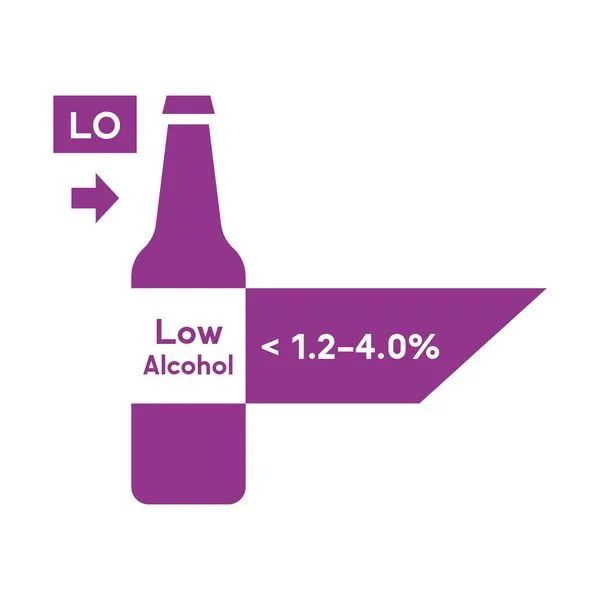
Low-alcohol beer has the highest variability in terms of requirements; as an example, in some countries this category requires less than 1.2% to 2.5% or 4% abv.
There are mainly 3 different methods to produce NOLO beers
All these methods have a negative impact on taste and flavour of the beers, with some running high operational costs or presenting process contamination risks.
DIAZYME® NOLO converts fermentable sugars into non-fermentable isomers. This leads to lowered RDF (real degree of fermentation). Since these are not fermentable by yeast, they don’t contribute to alcohol production.
No change in yeast is required and full fermentation can take place, so the taste of NOLO beer is improved compared to reduced fermentation methods.
The larger molecules (IMOs) formed in-situ by DIAZYME® NOLO are not fermented by the yeast and remain in the beer, providing more mouthfeel to NOLO beer.

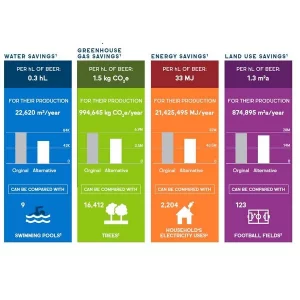
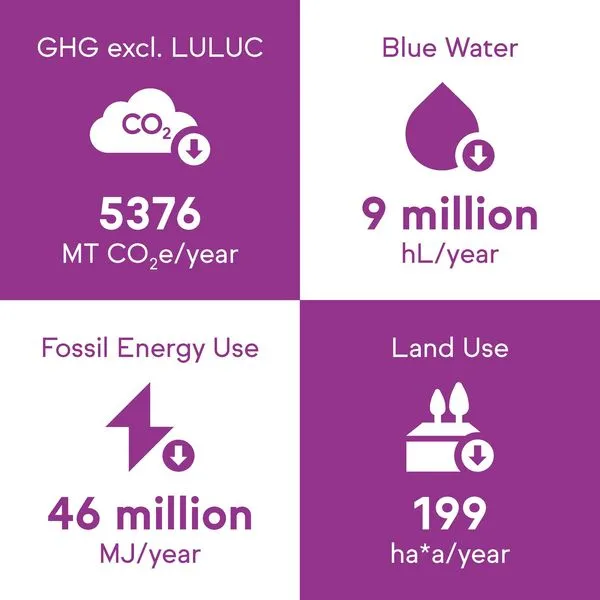
When combining DIAZYME® NOLO with dealcoholization process, the same beer volume can be produced with approximately 37.5% less grist, leading to up to 37% reduction in grist-associated environmental impacts*.
As an example, for a brewery located in North America producing 1million hL of beer/year and using 100% malt as their recipe, the potential savings could represent:
*Note that these savings relate only to environmental impacts associated with used grist. Please note that the estimated reduction potentials will vary based on the specific grist composition and geographical regions.
The world of brewing is fast-paced, creative and fun. Market trends and consumer behaviours are changing all the time so there is always something new to be excited about.
That’s why we love nothing more than to help you capitalize on new trends by designing extraordinary products.

Powered by brewing and distilling enzymes, sharpen your competitive edge with cost-effective production, optimal raw material uses and higher yield.
AMYLEX® for efficient starch liquefaction securing brewhouse yield.
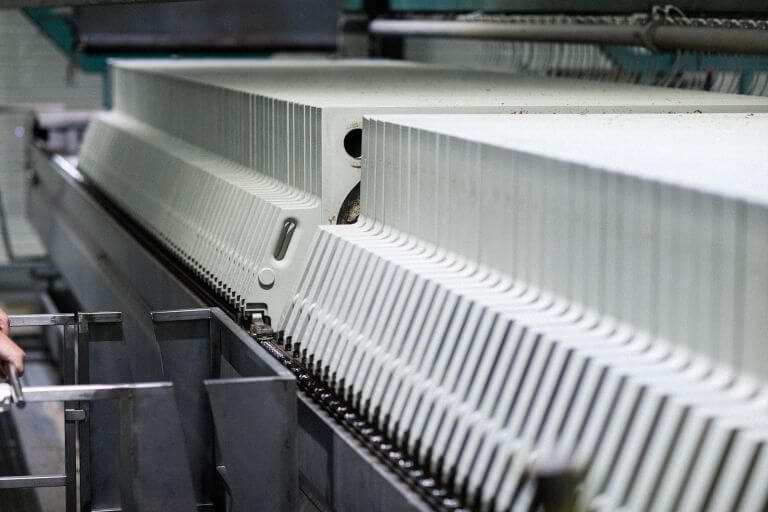
LAMINEX® for filtration enhancement through viscosity reduction securing speed and brewhouse yield.
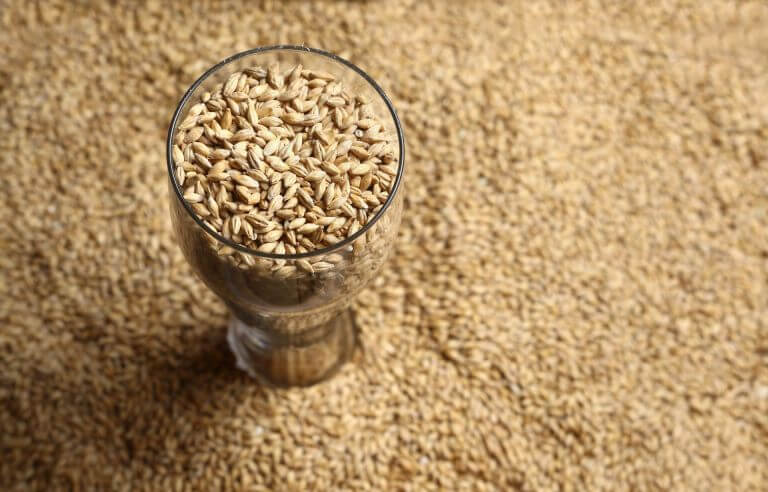
ALPHALASE® for flexible raw material optimization, Free Amino Nitrogen (FAN) generation, Diacetyl control and fermentation speed.
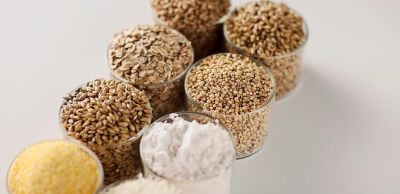
DIAZYME® for efficient saccharification and attenuation control
BCLEAR™ for smart and efficient colloidal stabilization

DIAZYME® NOLO designed to enhance the taste, efficiency and production capacity of no- and low-alcohol (NOLO) beers.